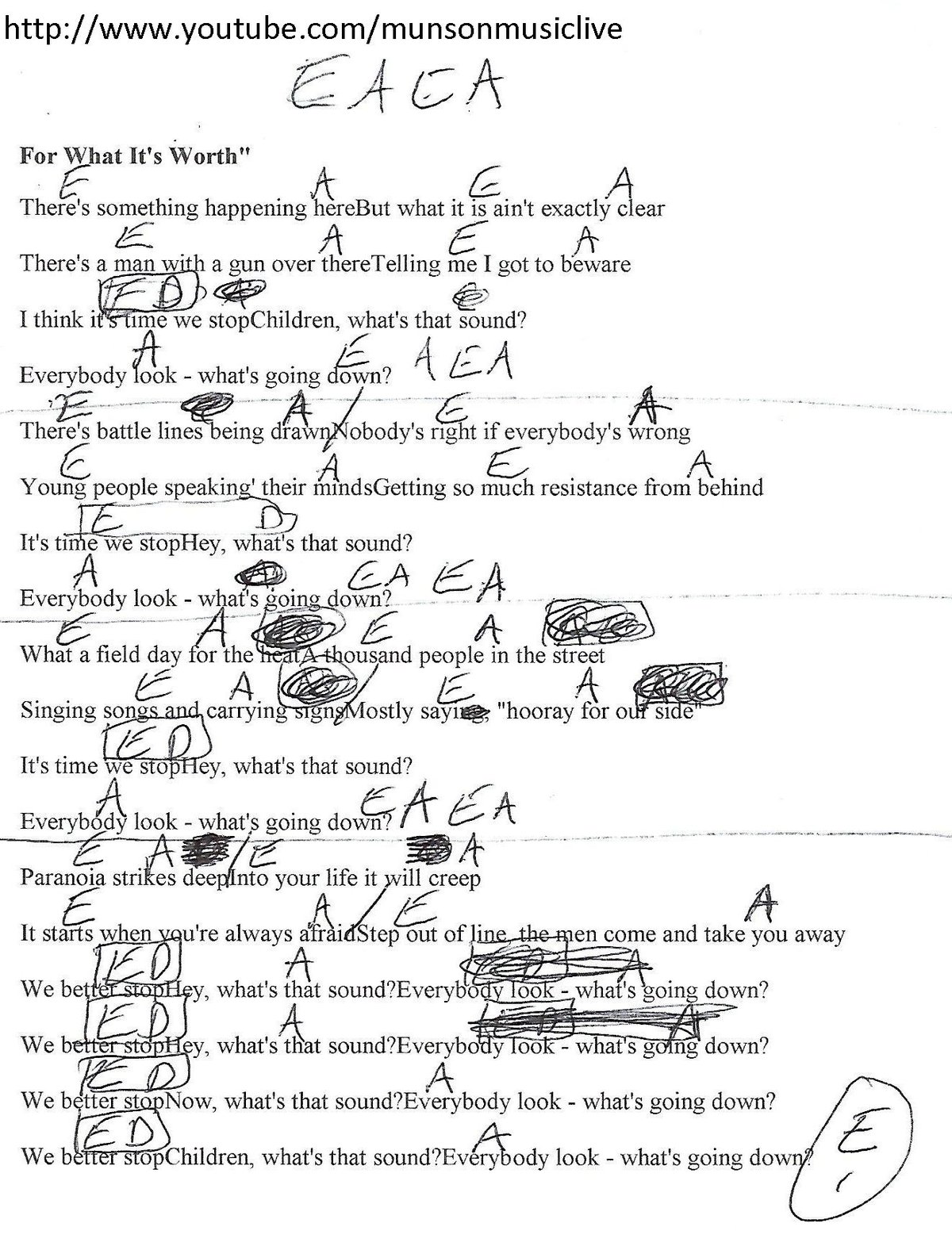
More than half a century after its release, "For What It's Worth" by Buffalo Springfield remains an unmistakable rallying cry. This iconic anthem, a staple of 1960s counter-culture, transcends its origins as a single released in late 1966 and its subsequent inclusion on the band's self-titled album in 1967. It captures a moment of simmering tension and social observation that resonates powerfully even today.
The song’s quiet opening quickly gives way to a message of unease and a call to vigilance, making its Explore For What Its Worth lyrics particularly compelling. It isn't just a record of the past; it's a timeless mirror reflecting society's struggles with authority, freedom, and the right to protest.
A Snapshot of Disquiet: The Unmistakable Message
From the opening lines, "For What It's Worth" paints a vivid, albeit unsettling, picture. The lyrics convey a palpable sense of observation and unease, describing "unclear events" and "battle lines" being drawn. It speaks directly to young people facing "resistance," encapsulating the spirit of a generation caught between idealism and conflict.
The song's imagery of "a thousand people in the street" protesting, carrying signs, while "paranoia strikes deep," is unforgettable. It repeatedly urges listeners to "stop" and examine "what's going down," a powerful invitation to critical thinking. Delving into the full text allows for a deeper appreciation of its poetic and prophetic nature.
The Spark of Inspiration: Stephen Stills and the Sunset Strip Incident
The true genius of "For What It's Worth" lies in its specific origin, yet universal application. Stephen Stills penned the lyrics after witnessing a pivotal event while Buffalo Springfield served as the house band for LA’s Whiskey A Go Go. He observed an estimated 3,000 young people protesting the closure of a local bar – a seemingly minor incident that escalated dramatically.
What struck Stills was the disproportionate response: a company of LAPD officers in full riot gear, despite there being no looting or disorder among the protestors. This scene of peaceful dissent met with overwhelming force led Stills to question the very reason for the police's presence. He captured this profound observation in approximately 15 minutes, noting later that the song turned out to be indicative of future events that would define the era. To understand the context that forged this enduring protest song, it’s essential to Explore its protest history.
The Architects of an Anthem: Buffalo Springfield's Legacy
While Stephen Stills was the primary lyrical architect, "For What It's Worth" is inextricably linked to Buffalo Springfield, the band that brought it to life. Comprised of immensely talented musicians including Stills, Neil Young, Richie Furay, Bruce Palmer, and Dewey Martin, the group quickly became a significant voice in the burgeoning folk-rock scene of the 1960s. Their collective artistry provided the perfect sonic canvas for such a poignant message.
The band's intricate harmonies, folk sensibilities, and rock energy were crucial in elevating the song from a simple observation to a monumental cultural statement. For a deeper dive into the group's formation, influences, and impact beyond this single track, you'll want to explore The band behind the anthem.
Crafting the Sound: Unpacking "For What It's Worth"'s Musical Genius
Beyond its potent lyrics, the musical construction of "For What It's Worth" is a masterclass in songwriting. The song's distinctive guitar arpeggios, laid-back yet urgent tempo, and Stephen Stills's distinctive vocal delivery all contribute to its enduring power. It masterfully blends folk, rock, and a touch of psychedelia, creating an atmosphere that is both contemplative and stirring.
The subtle shifts in dynamics and instrumentation enhance the lyrical narrative, building tension and reflection without ever becoming overtly aggressive. It’s a testament to the band’s collective musical talent and Stills's immediate grasp of how to translate observation into a compelling soundscape. To appreciate the intricate details that make this song a musical landmark, we invite you to Explore Songwriting & Musicality Unlock Songwriting.
A Timeless Resonance: The Enduring Impact of a Protest Classic
"For What It's Worth" quickly transcended its origins as a snapshot of a specific Sunset Strip incident, evolving into one of the most widely known protest songs of the 1960s. Its themes of social observation, unease, and a call to consciousness proved to be eerily prescient and universally applicable. The song's ability to speak to a broader human experience of injustice and control ensures its enduring appeal.
From civil rights movements to anti-war protests, and even contemporary social justice demonstrations, the song's refrain continues to be invoked. It serves as a powerful reminder that the fight for freedom and the right to express dissent is a continuous journey. To fully grasp how this song has shaped and reflected various social movements across decades, be sure to Explore its cultural impact.
"For What It's Worth" isn't merely a relic of the past; it's a living, breathing testament to the power of music to reflect, question, and inspire. Its subtle warnings about paranoia and the need to observe "what's going down" remain profoundly relevant, urging each new generation to stay vigilant and speak out.