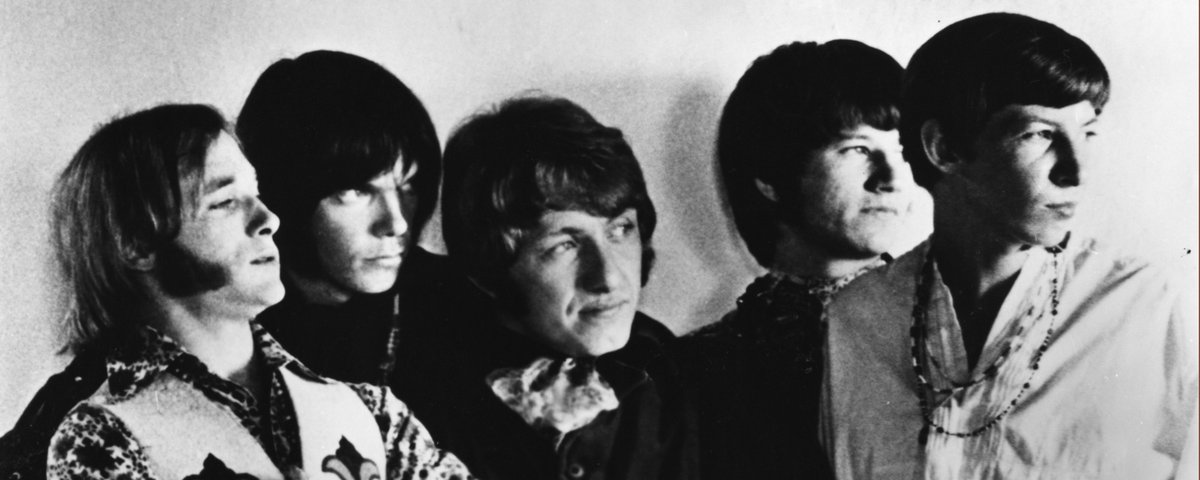
When you hear the opening guitar riff, a low thrum that builds to an insistent, questioning strum, you know it instantly. It's the sound of an era, a feeling of unease and a call to observe, all wrapped into one timeless song. "For What It's Worth" is more than a protest anthem; it's a cultural cornerstone, and behind it stands Buffalo Springfield: The Band Behind the Iconic Anthem – a group whose brief existence belied their monumental impact on music and popular culture.
Though their active lifespan barely spanned two years, Buffalo Springfield carved out a legacy disproportionate to their time together. They were a crucible where raw talent, diverse influences, and tumultuous personalities clashed, forging a sound that helped define folk rock, psychedelic rock, and even laid groundwork for country rock. This isn't just a story about a song; it's the tale of a band that burned brightly and briefly, leaving an indelible mark on the landscape of American music and launching the careers of some of rock's most enduring figures.
At a Glance: Key Takeaways from the Buffalo Springfield Story
Before we dive into the fascinating details, here's a quick look at what made Buffalo Springfield so pivotal:
- Pioneering Fusion: They seamlessly blended folk sensibilities with the raw energy of rock and roll, infused with psychedelic flourishes and country undertones, essentially inventing new subgenres as they went.
- A Superstar Launchpad: The band served as the genesis for the careers of rock legends Stephen Stills and Neil Young, as well as country-rock pioneer Richie Furay.
- "For What It's Worth": Their signature song became an accidental anthem for the counterculture, capturing the tension and confusion of 1960s America.
- Brief, Bright, and Brilliant: Active for only two intense years (1966-1968), their output was limited to three studio albums, yet each is considered highly influential.
- Hall of Fame Honorees: Their impact was officially recognized with their induction into the Rock and Roll Hall of Fame in 1997.
When Legends Align: The Genesis of Buffalo Springfield
The formation of Buffalo Springfield reads like a mythic origin story, a chance encounter that felt predestined for musical greatness. It all began in the vibrant, freewheeling Los Angeles music scene of 1966.
Stephen Stills, a talented multi-instrumentalist and songwriter, had already paid his dues in various folk and rock outfits. He was driving down a busy L.A. street when he spotted a hearse that looked eerily familiar. Inside were Neil Young, a enigmatic Canadian guitarist and songwriter, and Bruce Palmer, a bassist. Stills had previously crossed paths with Young and Palmer in Canada and instantly recognized the potential for collaboration. This fateful meeting on Sunset Boulevard ignited a spark that would soon become Buffalo Springfield.
Completing the lineup were Richie Furay, an American guitarist and vocalist who shared Stills' folk roots and melodic sensibilities, and Dewey Martin, a Canadian drummer with a powerful voice and stage presence. The five disparate talents – three Canadians (Young, Palmer, Martin) and two Americans (Stills, Furay) – converged in Los Angeles, a melting pot for new sounds.
The band's rather distinctive name came from a prosaic source: a steamroller, manufactured by the Buffalo Springfield Roller Company, parked outside the house they were sharing. It was an unassuming name for a band that would soon create anything but unassuming music. Their raw talent and immediate chemistry quickly caught the attention of Atlantic Records, and they were signed in 1966, ready to unleash their unique sound on the world.
A Sound Ahead of Its Time: Blending Genres, Breaking Molds
Buffalo Springfield didn't fit neatly into any existing musical box. Instead, they built their own. Their sound was a rich tapestry woven from diverse threads: the melodic harmonies and lyrical depth of folk music, the raw energy and instrumental prowess of rock, the experimental textures of psychedelia, and even hints of country twang.
The British Invasion had a profound impact on them, like many American bands of the era, pushing them towards more electrified and sophisticated arrangements. However, Buffalo Springfield filtered these influences through a distinctively American lens, incorporating their own experiences and musical backgrounds.
A key to their innovative sound was the dynamic guitar interplay between Stills and Young. Stills possessed a driving, blues-infused rock style, while Young contributed a more exploratory, often dissonant, and lyrically evocative approach. This dual-guitar attack, combined with Furay's soaring harmonies and melodic contributions, Palmer's solid basslines, and Martin's robust drumming, created a dense yet accessible sound.
Their first single, "Nowadays Clancy Can’t Even Sing," released in August 1966, immediately showcased their folk-rock leanings and clever songwriting. It became a local hit in Los Angeles, signaling that a new force was on the rise. Their debut album, Buffalo Springfield, released in December 1966, was a testament to their eclectic sound, featuring a mix of folk-rock ballads and more energetic rock numbers. It laid the groundwork for what was to come, a blend that would quickly make them pioneers in the burgeoning folk-rock movement.
The Voice of a Generation: Unpacking "For What It's Worth"
While their debut album garnered attention, it was a single released in January 1967 that would etch Buffalo Springfield's name into the annals of music history forever: "For What It's Worth." This song, a seemingly simple folk-rock tune, captured the zeitgeist of a rapidly changing America with startling clarity.
The catalyst for the song was a series of protests and clashes on the Sunset Strip in late 1966. Young people gathered to protest a curfew and the demolition of a popular club, leading to confrontations with police. Stephen Stills witnessed these events firsthand and, within minutes, penned the lyrics that would become an anthem. The opening lines – "There's something happening here / What it is ain't exactly clear" – perfectly encapsulated the pervasive sense of confusion and unrest that defined the 1960s counterculture.
The song wasn't explicitly political in a partisan sense; rather, it was a profound observation of societal friction. It spoke to the generational divide, the struggles for civil rights, and the nascent anti-war sentiment. Its gentle yet insistent melody, combined with Stills' poignant lyrics, struck a chord with millions. It became Buffalo Springfield's lone US Top 10 hit, a powerful symbol of youth disillusionment and a call for awareness. The song's cultural impact was immense, solidifying its status as an anthem, and it was eventually certified Platinum in Britain, demonstrating its global reach.
To fully grasp the lyrical brilliance and timeless relevance of this track, it's worth exploring the Buffalo Springfield For What Its Worth lyrics. You’ll find a masterclass in evocative storytelling, using metaphor and direct observation to paint a vivid picture of a turbulent era. It's a song that compels you to listen, to question, and to understand, proving that sometimes the most impactful statements are made with a whisper, not a shout.
Beyond the Anthem: A Deeper Dive into Their Discography
While "For What It's Worth" remains their most recognizable track, Buffalo Springfield's other two albums offer a compelling journey through their rapid artistic evolution.
Their second album, Buffalo Springfield Again, released in October 1967, marked a significant shift. It showcased the band's adventurous spirit, moving beyond the more straightforward folk-rock of their debut into the more experimental realms of psychedelia and hard rock. Tracks like Neil Young's "Mr. Soul" throbbed with a heavier, more distorted sound, while others explored complex arrangements and studio effects. This album truly highlighted the individual songwriting strengths of Stills, Young, and Furay, even as it underscored the growing creative tensions within the group. Buffalo Springfield Again is often cited by critics as their most creatively ambitious work, a testament to what they could achieve when their individual visions aligned.
The creative differences, however, were becoming increasingly difficult to manage. Stills and Young, both dominant songwriters and instrumentalists, often vied for control, leading to frequent conflicts and even temporary departures. Bruce Palmer, the bassist, also faced repeated drug-related arrests and deportations, leading to frequent lineup changes that further destabilized the band.
Their final album, Last Time Around, released in July 1968, was a melancholic capstone to their career. By this point, the band had essentially fragmented, with individual members recording their contributions separately. The album feels like a collection of solo works rather than a cohesive band effort, compiled and published shortly after their official disbandment. Despite its fragmented nature, it still contains flashes of brilliance and hints at the varied musical directions each member would soon pursue.
The Unraveling: Tensions, Arrests, and the Inevitable Split
Buffalo Springfield's meteoric rise was matched only by its rapid descent. The same intense creative energy that fueled their groundbreaking music also proved to be their undoing. The band’s lifespan was incredibly short, officially dissolving in 1968 after barely two years of active recording and touring.
Several factors contributed to their premature demise:
- Creative Clashes: The powerful songwriting talents of Stephen Stills and Neil Young were both a blessing and a curse. Their individual visions, while brilliant, often pulled the band in different directions, leading to frequent disagreements and power struggles. Each wanted to lead, and the band wasn't big enough for both their egos and their distinct musical paths.
- Lineup Instability: Bassist Bruce Palmer's recurring legal troubles, primarily drug-related arrests and deportations, meant the band frequently had to find temporary replacements. This constant flux undermined their live performances and recording continuity.
- Drug Use: The rampant drug culture of the late 1960s took its toll. While many bands experienced this, it exacerbated the existing tensions within Buffalo Springfield and contributed to their overall instability.
- Burnout: The intense pace of recording, touring, and navigating their sudden fame was immense. For a group as emotionally volatile and creatively driven as Buffalo Springfield, the pressure was immense.
By 1968, the cohesion was gone. The members had effectively moved on, both creatively and personally, even before Last Time Around was released. Their disbandment was less a dramatic breakup and more a slow, inevitable drifting apart, leaving behind a remarkable but tragically brief body of work.
Seeds of Supergroups: The Buffalo Springfield Legacy Beyond the Band
The true measure of Buffalo Springfield's impact can be found not just in their own music, but in the legendary careers that blossomed from its ashes. The band served as a vital incubator, launching three of its principal members into the highest echelons of rock and country music.
Immediately following the split, Stephen Stills embarked on a collaboration that would redefine harmony rock. He joined forces with David Crosby (from The Byrds) and Graham Nash (from The Hollies) to form the iconic supergroup Crosby, Stills & Nash. Their intricate vocal harmonies and sophisticated songwriting became a defining sound of the late 1960s and 70s.
Neil Young, ever the independent spirit, initially pursued a prolific solo career, forging a path as one of music's most influential and uncompromising artists. His distinctive voice, raw guitar work, and deeply personal songwriting earned him a devoted following. He would, of course, later reunite with his former bandmate Stills, joining CSN to form the equally legendary Crosby, Stills, Nash & Young, further solidifying the web of interconnected musical talent that emerged from Buffalo Springfield.
Richie Furay, often overshadowed by the more dominant personalities of Stills and Young, nonetheless went on to become a pivotal figure in the burgeoning country-rock scene. He co-founded Poco with Jim Messina, a band that refined and popularized the blend of country instrumentation with rock energy, directly influencing countless artists and helping to establish a new genre.
The influence of Buffalo Springfield resonated far beyond their immediate successors. Their pioneering genre-blending, complex songwriting, and intense live performances inspired countless musicians across folk, rock, and country, proving that sometimes, the shortest stories leave the longest shadows.
A Well-Deserved Nod: Hall of Fame and Later Reunions
Despite their short tenure, Buffalo Springfield's profound impact on music was formally recognized in 1997 when they were inducted into the Rock and Roll Hall of Fame. It was a testament to their innovative sound, influential songwriting, and the lasting legacy of the careers they launched.
While a full reunion of the original lineup was a dream for many fans, it was tragically prevented by the passing of two key members. Bassist Bruce Palmer died in 2004, followed by drummer Dewey Martin in 2009. These losses underscored the ephemeral nature of their original configuration.
However, the enduring camaraderie and musical connection between the surviving principal members—Neil Young, Stephen Stills, and Richie Furay—remained strong. In 2010, they delighted fans by reuniting for the Bridge School Benefit concerts on October 23 and 24. This was more than just a nostalgic performance; it was a powerful reminder of their combined musical force.
Building on this success, the core trio, augmented by Neil Young's longtime bassist Rick Rosas and drummer Joe Vitale, reassembled for a series of six shows beginning on June 1, 2011. This included a triumphant appearance at the 2011 Bonnaroo Music & Arts Festival, where they demonstrated that their chemistry and musical prowess were undiminished. The performances were met with critical acclaim and fan euphoria, proving that the magic of Buffalo Springfield still resonated decades later.
A full tour for 2012 was eagerly anticipated, but ultimately postponed due to Neil Young's commitments to other album projects. On February 27, 2012, an extended hiatus was confirmed, effectively bringing the reunion to a close. While the full-scale tour never materialized, those brief reunion shows offered a rare glimpse into the enduring power of a band that, despite its brevity, left an unshakeable mark on music history.
The Enduring Echo: What Buffalo Springfield Still Teaches Us
Buffalo Springfield's story is a compelling reminder that impact isn't always measured in longevity. Sometimes, the most potent forces burn the brightest and then fade, leaving behind a profound and lasting glow. Their two short years of active recording and touring were a period of intense creativity, innovation, and personal struggle, culminating in a sound that defined an era and shaped the future of rock music.
Their music teaches us about the power of collaboration, even amidst friction. It highlights how diverse musical backgrounds, when brought together by sheer talent and a shared vision, can create something truly original. From the poignant social commentary of "For What It's Worth" to the psychedelic explorations of Buffalo Springfield Again, their discography offers a masterclass in songwriting, musicianship, and genre evolution.
For you, the listener, their legacy encourages a deeper dive. Don't let their relatively small output deter you; instead, see it as a concentrated burst of genius. Take the time to explore their albums, listen to the intricate guitar work, the soaring harmonies, and the insightful lyrics. You'll not only appreciate the genesis of several legendary careers but also discover a band whose brief existence punched far above its weight, forever altering the course of popular music. Their echo still resonates, inviting you to listen closely to the enduring story of their anthem and the remarkable band behind it.